
Showing 49–60 of 67 results
-
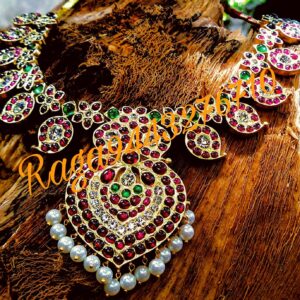 ₹100.00Quick View Buy via WhatsApp
“The Necklace” or “The Diamond Necklace” (French: La Parure) is an 1884 short story by French writer Guy de Maupassant. It is known for its twist ending (Ironic ending), which was a hallmark of de Maupassant’s style. The story was first published on 17 February 1884 in the French newspaper Le Gaulois.
-
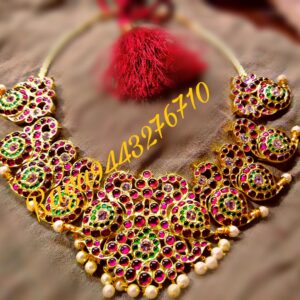 ₹100.00Quick View Buy via WhatsApp
“The Necklace” or “The Diamond Necklace” (French: La Parure) is an 1884 short story by French writer Guy de Maupassant. It is known for its twist ending (Ironic ending), which was a hallmark of de Maupassant’s style. The story was first published on 17 February 1884 in the French newspaper Le Gaulois.
-
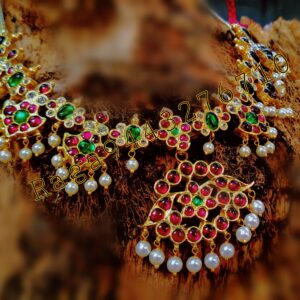 ₹100.00Quick View Buy via WhatsApp
“The Necklace” or “The Diamond Necklace” (French: La Parure) is an 1884 short story by French writer Guy de Maupassant. It is known for its twist ending (Ironic ending), which was a hallmark of de Maupassant’s style. The story was first published on 17 February 1884 in the French newspaper Le Gaulois.
-
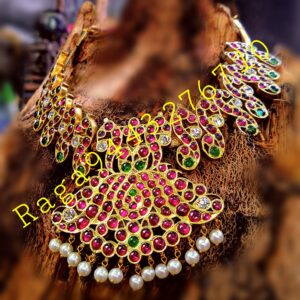 ₹100.00Quick View Buy via WhatsApp
“The Necklace” or “The Diamond Necklace” (French: La Parure) is an 1884 short story by French writer Guy de Maupassant. It is known for its twist ending (Ironic ending), which was a hallmark of de Maupassant’s style. The story was first published on 17 February 1884 in the French newspaper Le Gaulois.
-
 ₹100.00Quick View Buy via WhatsApp
“The Necklace” or “The Diamond Necklace” (French: La Parure) is an 1884 short story by French writer Guy de Maupassant. It is known for its twist ending (Ironic ending), which was a hallmark of de Maupassant’s style. The story was first published on 17 February 1884 in the French newspaper Le Gaulois.
-
 ₹100.00Quick View Buy via WhatsApp
“The Necklace” or “The Diamond Necklace” (French: La Parure) is an 1884 short story by French writer Guy de Maupassant. It is known for its twist ending (Ironic ending), which was a hallmark of de Maupassant’s style. The story was first published on 17 February 1884 in the French newspaper Le Gaulois.
-
 ₹100.00Quick View Buy via WhatsApp
“The Necklace” or “The Diamond Necklace” (French: La Parure) is an 1884 short story by French writer Guy de Maupassant. It is known for its twist ending (Ironic ending), which was a hallmark of de Maupassant’s style. The story was first published on 17 February 1884 in the French newspaper Le Gaulois.
-
 ₹100.00Quick View Buy via WhatsApp
“The Necklace” or “The Diamond Necklace” (French: La Parure) is an 1884 short story by French writer Guy de Maupassant. It is known for its twist ending (Ironic ending), which was a hallmark of de Maupassant’s style. The story was first published on 17 February 1884 in the French newspaper Le Gaulois.
-
 ₹100.00Quick View Buy via WhatsApp
“The Necklace” or “The Diamond Necklace” (French: La Parure) is an 1884 short story by French writer Guy de Maupassant. It is known for its twist ending (Ironic ending), which was a hallmark of de Maupassant’s style. The story was first published on 17 February 1884 in the French newspaper Le Gaulois.
-
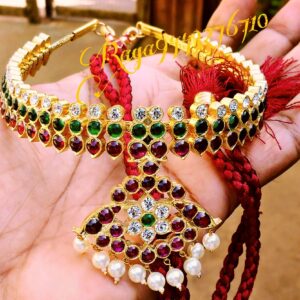 ₹100.00Quick View Buy via WhatsApp
“The Necklace” or “The Diamond Necklace” (French: La Parure) is an 1884 short story by French writer Guy de Maupassant. It is known for its twist ending (Ironic ending), which was a hallmark of de Maupassant’s style. The story was first published on 17 February 1884 in the French newspaper Le Gaulois.
-
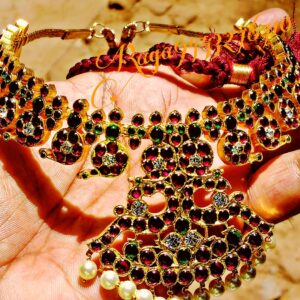 ₹100.00Quick View Buy via WhatsApp
“The Necklace” or “The Diamond Necklace” (French: La Parure) is an 1884 short story by French writer Guy de Maupassant. It is known for its twist ending (Ironic ending), which was a hallmark of de Maupassant’s style. The story was first published on 17 February 1884 in the French newspaper Le Gaulois.
-
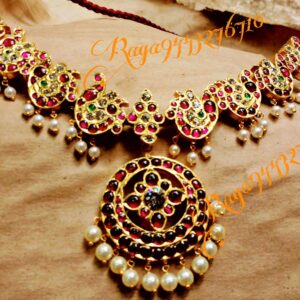 ₹100.00Quick View Buy via WhatsApp
“The Necklace” or “The Diamond Necklace” (French: La Parure) is an 1884 short story by French writer Guy de Maupassant. It is known for its twist ending (Ironic ending), which was a hallmark of de Maupassant’s style. The story was first published on 17 February 1884 in the French newspaper Le Gaulois.